
Mental Health Assessment & Evaluation
Professional mental health assessments in Reno. We provide structured clinical evaluations, diagnostic insights, and written reports for Washoe County residents to support treatment planning, legal documentation, or personal understanding. Schedule your intake today for evidence-based clarity in a confidential setting.
When individuals in Reno seek clarity around mental health concerns, a structured evaluation can help identify patterns, risks, and appropriate levels of care. Assessments are designed to be neutral, organized, and focused on understanding—not labeling—so that next steps are clear and appropriate.
I’m Chad Kirkland, a Licensed CADC serving Reno, Nevada.

I conduct structured mental health assessments that help identify co-occurring concerns, functional impact, and appropriate referral pathways as a specialized CADC counselor.
Over the past 5+ years, I’ve worked with individuals and families navigating substance use and co-occurring concerns, always maintaining the highest addiction counseling ethics.
Certified Alcohol and Drug Counselor Supervisor (CADC-S), Nevada License #06847-C, and Supervisor of Alcohol and Drug Counselor Interns, Nevada License #08159-S, through the Nevada State Board of Examiners for Alcohol, Drug and Gambling Counselors.
My approach emphasizes clarity, structured observation, and evidence-based interpretation without assumptions or pressure.
This is general information; specific needs and safety concerns should be discussed with a qualified professional.
What a Mental Health Assessment Involves
A mental health assessment evaluates emotional functioning, behavioral patterns, and potential diagnostic indicators. In Washoe County, these evaluations often include structured interviews and symptom reviews using established assessment frameworks.
Clinical guidelines such as DSM-5-TR diagnostic indicators, ASAM Criteria dimensions, and IC&RC-aligned standards guide the process. These frameworks help ensure care is structured, measurable, and individualized.
- Individuals in Reno seeking diagnostic clarity and clinical standards of care
- People experiencing anxiety, depression, or mood instability needing anxiety and depression counseling
- Clients with possible co-occurring substance use concerns needing dual diagnosis support
- Referrals for forensic addiction services, courts, or employers
What to Expect During the Evaluation Process
The evaluation begins with a clinical interview focused on treatment planning and case management goals. Information is gathered in a neutral manner to protect client confidentiality and rights while supporting accurate documentation.
Practical Note (Reno): If you’re coming from Midtown, Sparks, or South Reno, allow time for parking and weather-related delays, especially during winter months, to maintain your scheduled appointment time.
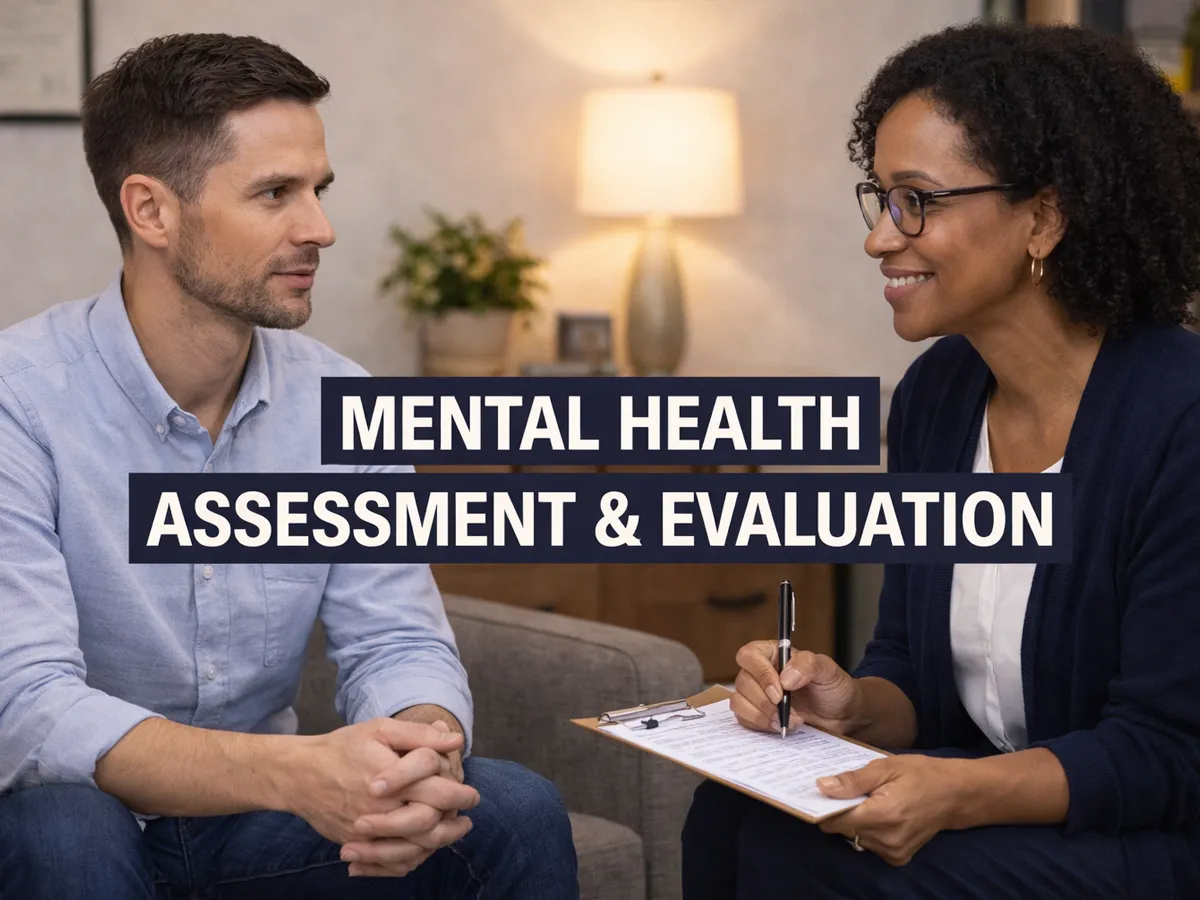
The process focuses on building a clinically grounded understanding of symptom patterns. We provide clinical documentation and reports for authorized parties to ensure coordinated and effective care.
I can also recommend a relapse prevention program when appropriate, and we’ll coordinate medical evaluation when medical risk may be present.
Immediate 5 Questions About Mental Health Assessments
What is the purpose of a mental health assessment?
It provides structured insight into symptoms, behaviors, and functioning to help guide diagnosis and next steps.
How long does an evaluation take?
Time varies depending on complexity, but most assessments are completed within a scheduled session or series of sessions.
Will I receive a diagnosis?
If appropriate, diagnostic impressions may be provided based on current clinical standards, but not all evaluations result in a formal diagnosis.
Is the information confidential?
Yes. Confidentiality is maintained under privacy and confidentiality standards, 42 CFR Part 2, and HIPAA, with appropriate limits explained when necessary.
What happens after the evaluation?
Recommendations may include individual substance abuse counseling, specialized therapy, or additional evaluation depending on findings.
Interpreting Results and Next Steps
Results are discussed in a clear and structured way, focusing on patterns rather than labels. This helps individuals in Reno understand their situation without unnecessary complexity.
Follow-up planning may include referrals within Washoe County or coordination with other providers to maintain probation compliance or other legal requirements.
Ongoing Clinical Support
Assessments are not standalone events. They provide a foundation for future care, helping guide decisions and support stability.
In some cases, additional evaluation or medical input may be recommended depending on symptoms and risk factors.
Local Trust and Next Step
Confidentiality and discretion are maintained throughout the evaluation process in Reno. Your information is handled carefully and respectfully.
Do not include sensitive medical or legal details in web forms.

Preparing for your appointment can improve clarity. Bring relevant notes and allow time for a thorough discussion during your session to reinforce long-term stability.
- Scheduling: choose a time with minimal interruptions
- What to bring: relevant history or notes
- Referral coordination: additional services may be discussed if needed
If you need a mental health assessment in Reno or have questions about the process, you can schedule an appointment.