
Dual Diagnosis Counseling
Integrated dual diagnosis counseling in Reno for individuals experiencing co-occurring substance use and mental health conditions. Our structured clinical support in Washoe County addresses anxiety, depression, or trauma alongside addiction patterns to improve long-term stability and recovery outcomes. Schedule your comprehensive care today.
When mental health symptoms and substance use occur together, treatment requires a coordinated and structured approach. In Reno, dual diagnosis counseling focuses on identifying how these conditions interact and developing practical strategies that address both at the same time.
I’m Chad Kirkland, a Licensed CADC serving Reno, Nevada.

I provide integrated dual diagnosis counseling that evaluates both addiction patterns and mental health conditions as a specialized CADC counselor.
Over the past 5+ years, I’ve worked with individuals and families navigating substance use and co-occurring concerns while maintaining the highest addiction counseling ethics.
Certified Alcohol and Drug Counselor Supervisor (CADC-S), Nevada License #06847-C, and Supervisor of Alcohol and Drug Counselor Interns, Nevada License #08159-S, through the Nevada State Board of Examiners for Alcohol, Drug and Gambling Counselors.
My approach is structured, neutral, and focused on building consistent strategies that address both conditions together.
This is general information; specific needs and safety concerns should be discussed with a qualified professional.
What Dual Diagnosis Counseling Is and Who It Helps
Dual diagnosis counseling focuses on the interaction between substance use and mental health conditions such as anxiety, depression, or trauma-related symptoms. Instead of treating each issue separately, care is integrated to address how one condition influences the other.
Clinical frameworks such as ASAM Criteria dimensions, DSM-5-TR diagnostic indicators, and clinical standards guide the process. These frameworks help ensure care is structured, measurable, and individualized.
- Individuals in Reno experiencing both substance use and mental health symptoms
- Clients in Washoe County needing treatment planning and case management
- People with relapse patterns linked to emotional or psychological stressors needing a relapse prevention program
- Individuals seeking long-term stabilization rather than short-term symptom relief
What to Expect During Dual Diagnosis Counseling
The process begins with a clinical interview using established assessment frameworks for both addiction patterns and mental health symptoms. I utilize IC&RC counselor competencies to develop coordinated strategies for stabilization.
Practical Note (Reno): If you are traveling from Midtown, Sparks, or South Reno, consistent scheduling—especially during winter conditions—can help maintain continuity and reduce missed sessions.
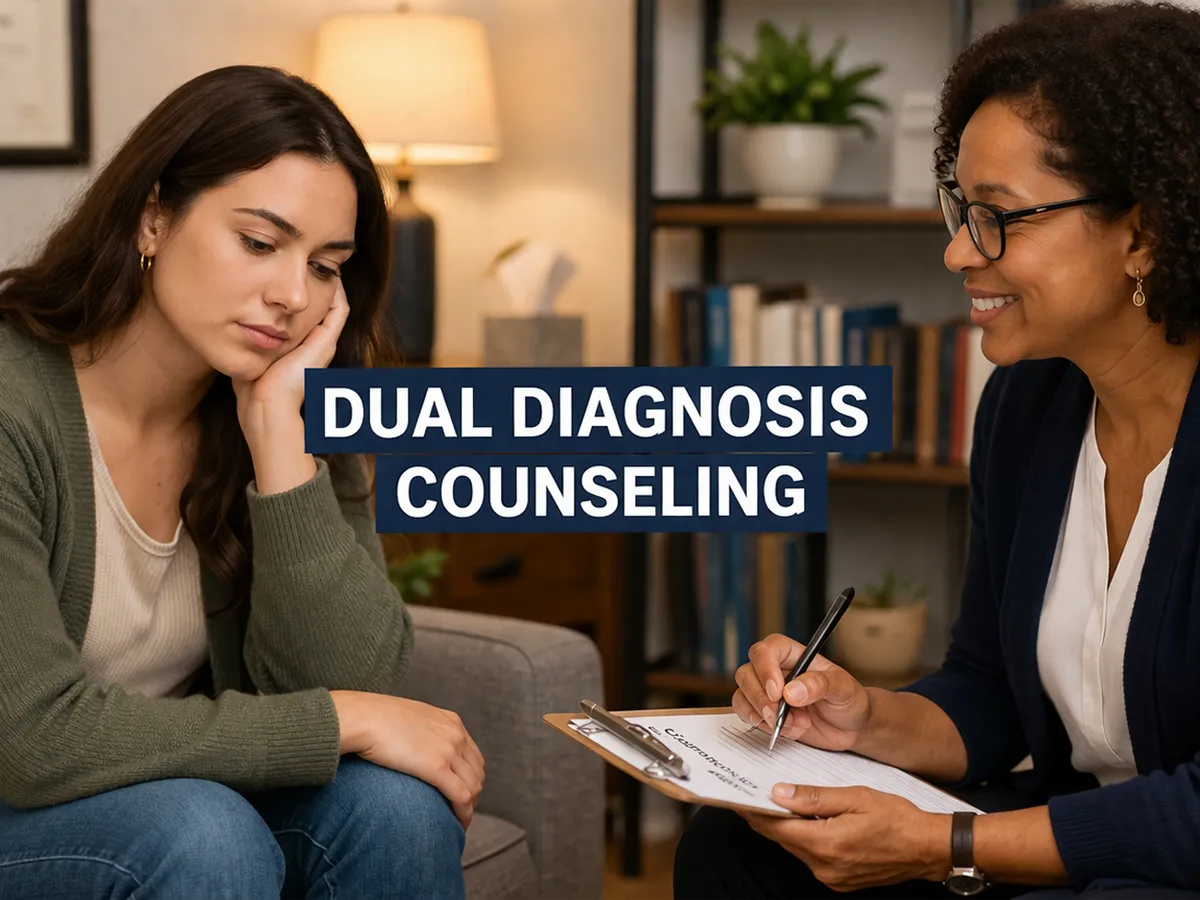
In Reno, individualized substance abuse counseling is connected with mental health patterns. This process ensures we protect client confidentiality and rights while providing clinical documentation and reports for authorized referral sources.
By consistently identifying the “feedback loops” between emotional distress and substance use triggers, we create a measurable roadmap for your treatment planning and case management. This is particularly vital for forensic addiction services or probation compliance, where objective proof of progress is a legal necessity.
I also provide forensic addiction services coordination and will recommend medical evaluation when withdrawal or medical risk may be present.
Immediate 5 Questions About Dual Diagnosis Counseling
What does dual diagnosis mean?
It refers to the presence of both a substance use disorder and a mental health condition that need to be addressed together.
Why is integrated treatment important?
Treating both conditions together reduces relapse risk and improves overall stability because each condition influences the other.
How is dual diagnosis assessed?
Assessment includes evaluating substance use patterns, mental health symptoms, and how they interact over time.
Is dual diagnosis counseling long-term?
Duration varies, but consistent engagement supports better long-term outcomes and stability.
How is confidentiality handled?
Confidentiality is maintained under privacy and confidentiality standards, 42 CFR Part 2 and HIPAA, ensuring appropriate protection of personal information.
Why Coordinated Care Matters
In Washoe County, many individuals benefit from a coordinated approach that reduces fragmentation in care. Addressing both conditions together helps clarify patterns and supports more consistent progress.
Integrated counseling also improves the ability to recognize early warning signs and respond effectively, reducing the likelihood of escalation.
Clinical Scope and Ongoing Support
Dual diagnosis counseling remains focused on behavioral patterns, emotional regulation, and structured planning. It does not replace medical care but can support it through coordination and referral when appropriate.
Ongoing sessions provide a structured environment to reinforce strategies and maintain stability over time.
Local Trust and Next Step
Confidentiality and discretion are maintained throughout counseling in Reno. Privacy is respected while ensuring structured and consistent care.
Do not include sensitive medical or legal details in web forms.

Preparation supports consistency. Bringing relevant notes and maintaining scheduled sessions can help reinforce progress across both mental health and substance use treatment.
This structured continuity is particularly vital for those involved in forensic addiction services or probation compliance, where objective proof of progress is a legal necessity. In a Reno clinical setting, active participation allows us to identify the subtle “feedback loops” between emotional distress and substance use triggers. By consistently documenting these interactions, we create a clinical record that tracks how improvements in mental health—such as reduced anxiety or improved mood regulation—directly correlate with a decrease in the urge to use substances, providing a measurable roadmap for your treatment planning and case management.
- Scheduling: maintain consistent session times
- What to bring: notes or relevant materials
- Referral coordination: additional services may be discussed if needed
If you have questions about dual diagnosis counseling in Reno, you can schedule an appointment.