
Court-Ordered Substance Use Evaluation
Certified court-ordered substance use evaluations in Reno for probation & legal compliance. Structured clinical assessments with detailed written reports and evidence-based findings for individuals in Washoe County. Schedule your intake today to move through the clinical process with clarity and privacy.
When an evaluation is court-ordered, it helps to understand that the process is still clinical, even though it is connected to a legal requirement. In Reno, people often have questions about what will be reviewed, how recommendations are made, and what kind of documentation may follow from the evaluation.
I’m Chad Kirkland, a Certified CADC serving Reno, Nevada.

My work includes court-ordered evaluations, clinical documentation and reports, treatment recommendations, and referral coordination for people dealing with substance use and co-occurring concerns in structured settings.
I’ve spent 5+ years working with individuals and families affected by substance use and co-occurring concerns as a CADC counselor.
I hold the credential of Certified Alcohol and Drug Counselor Supervisor (CADC-S), Nevada License #06847-C, and Supervisor of Alcohol and Drug Counselor Interns, Nevada License #08159-S, through the Nevada State Board of Examiners for Alcohol, Drug and Gambling Counselors.
I approach these evaluations with a calm, objective, and clinically focused process, ensuring I maintain professional ethics so the information gathered stays organized, relevant, and understandable.
This is general information; specific needs and safety concerns should be discussed with a qualified professional.
What a Court-Ordered Substance Use Evaluation Is and Who It Helps
A court-ordered substance use evaluation is a clinical assessment used to review substance use history, current patterns, risk factors, functioning, and treatment needs. The purpose is not to offer legal advice, but to provide a clinically grounded evaluation that can inform recommendations, referral decisions, or treatment planning and case management. In Reno, these evaluations are often used when a court or referral source needs a structured professional review.
The evaluation process may draw from ASAM Criteria dimensions, DSM-5-TR diagnostic indicators, and IC&RC-aligned practice standards. These frameworks help keep the process objective and clinically consistent, especially when substance use concerns overlap with anxiety, depression, family stress, or other co-occurring issues.
- Individuals in Reno who need a DUI drug and alcohol evaluation
- People in Washoe County who need clinical clarification for probation compliance
- Clients who may need referral coordination after an evaluation is completed
- Individuals seeking a clear explanation of the evaluation process before scheduling
What to Expect During the Evaluation Process
The evaluation usually begins with a clinical interview using established assessment frameworks focused on substance use history, current concerns, prior treatment, functional impact, and factors that may influence safety or stability. Depending on the situation, the process may also include screening tools, review of referral information, and discussion of any current support needs. The goal is to gather enough information to make clinically appropriate recommendations without going beyond the scope of the evaluation.
Practical Note (Reno): If you are traveling from Midtown, Sparks, or South Reno, it can help to allow extra time for scheduling, parking, and winter weather so the evaluation can proceed without added stress or time pressure.
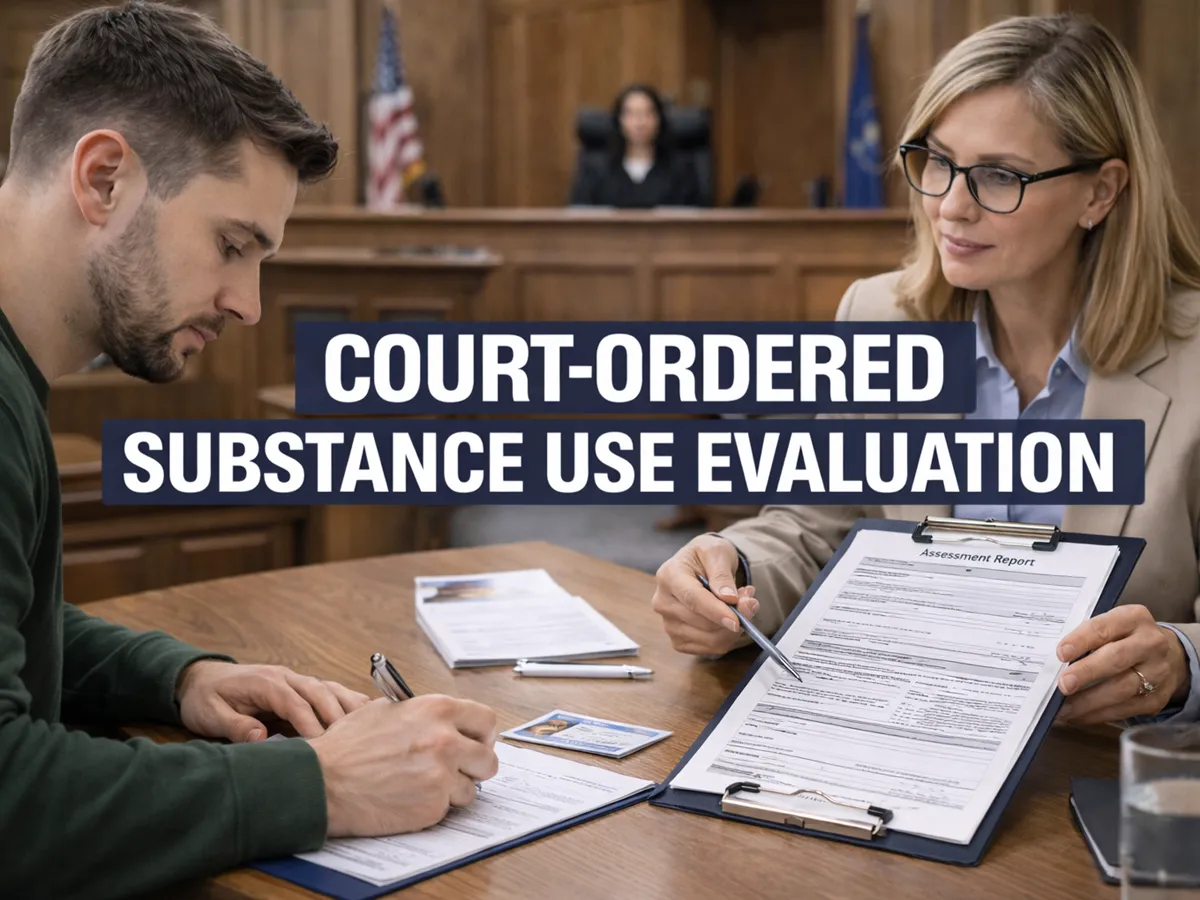
A court-ordered evaluation should be direct, professional, and understandable. In Reno, many people feel more prepared when they know the evaluation is meant to review current substance use concerns, clinical history, and treatment needs rather than create confusion. Clear documentation also helps explain how recommendations were reached.
I can also coordinate forensic addiction services referrals, and I’ll recommend medical evaluation when withdrawal or medical risk may be present.
Immediate 5 Questions About Court-Ordered Substance Use Evaluations
What is the purpose of a court-ordered substance use evaluation?
The purpose is to provide a structured clinical review of substance use history, current concerns, risk factors, and treatment needs. The evaluation helps organize information in a professional way so recommendations can be made based on the person’s presentation rather than assumptions or incomplete information.
What information is usually discussed during the evaluation?
The evaluation usually covers substance use history, current patterns, prior treatment, functional impact, motivation for change, and any co-occurring concerns that may affect treatment planning. The discussion stays focused on clinically relevant information needed to understand risks, support needs, and reasonable recommendations.
Does a court-ordered evaluation automatically mean treatment will be recommended?
Not automatically. Recommendations depend on the clinical information gathered during the evaluation. Some people may need substance abuse counseling or additional support, while others may need monitoring, education, or further referral. The evaluation is meant to guide recommendations, not to assume one outcome before the process begins.
How is confidentiality handled in a court-related evaluation?
Confidentiality is still important in a court-related setting. Information should be handled carefully and discussed in relation to the purpose of the evaluation, with attention to client confidentiality and rights, 42 CFR Part 2 and HIPAA. It is important to clarify what information may be documented or released and under what authorization or requirement.
What happens after the evaluation is completed?
After the evaluation is completed, a clinical summary and recommendations may be prepared based on the findings. Depending on the situation, this can include relapse prevention coordination, treatment recommendations, or guidance about the next clinical step. The process should remain clear, objective, and within professional scope.
Why Evaluation Clarity Matters
People often arrive with uncertainty about what will be asked, what records may be created, and whether the process is only about compliance. A clinically sound evaluation brings more clarity than that. It should identify substance use concerns, note meaningful patterns, and explain recommendations in a way that another provider or referral source can understand.
In Washoe County, this can be especially helpful when the next step may involve counseling, education, additional assessment, or outside referral support. A clear evaluation reduces confusion and helps the person understand what the clinical findings actually suggest, rather than leaving the process vague or overly broad.
Clinical Boundaries and Referral Support
A licensed CADC can provide clinical evaluation, document substance use concerns, discuss treatment implications, and coordinate appropriate referrals within scope. That role is different from giving legal advice or predicting legal outcomes. The evaluation should stay focused on substance use, functioning, risk, and the level of support that may be clinically appropriate.
When the evaluation raises questions about withdrawal risk, medical instability, or needs outside the counseling scope, referral to medical or other specialized services may be appropriate. That keeps the process clinically responsible and helps people in Reno move toward the right support rather than forcing one service to address every issue.

Local Trust and Next Step
Privacy and discretion matter throughout the evaluation process, especially when someone is already under stress and wants the process handled professionally. In a Reno treatment setting, it helps when the evaluation is explained clearly, records are handled carefully, and people understand what belongs in clinical documentation and what should remain private.
Do not include sensitive medical or legal details in web forms.

Preparing for an evaluation usually becomes easier when the process is organized from the start. That may include confirming scheduling, understanding what documents to bring, and clarifying whether referral information is part of the evaluation record. A structured process helps the evaluation remain focused, objective, and easier to follow for authorized referral purposes.
- Scheduling: set enough time aside for the interview, document review, and any follow-up questions
- What to bring: referral paperwork, relevant prior records if available, and any instructions connected to the evaluation request
- Referral coordination: next-step communication with an authorized provider or referral source can be discussed when appropriate
If you need to complete an evaluation in Reno or have questions about the process, you can schedule an appointment.