
Court-Approved Counseling Programs
Court-approved counseling programs can be part of a structured treatment or compliance process when counseling is required, recommended, or documented through a referral pathway. In Reno and Washoe County, people often want to understand what these programs involve, how participation is documented, and what the next step may look like without confusion or added pressure.
When counseling is connected to a court matter, the process usually needs clear structure, accurate attendance records, and clinically appropriate communication. In Reno, that often means helping people understand program expectations, documentation, and referral coordination while keeping the focus on treatment, privacy, and professional boundaries.
I’m Chad Kirkland, a Licensed CADC serving Reno, Nevada.

My work in this area includes counseling, progress tracking, treatment planning, and clinically grounded clinical documentation and reports for substance use and co-occurring concerns when a structured program is part of the referral picture.
Over the past 5+ years, I’ve worked with individuals and families navigating substance use and co-occurring concerns as a CADC counselor.
I hold the credential of Certified Alcohol and Drug Counselor Supervisor (CADC-S), Nevada License #06847-C, and Supervisor of Alcohol and Drug Counselor Interns, Nevada License #08159-S, through the Nevada State Board of Examiners for Alcohol, Drug and Gambling Counselors.
I try to keep the process clear, clinically appropriate, and non-judgmental so people understand what is being asked of them and how I maintain professional ethics in treatment records.
This is general information; specific needs and safety concerns should be discussed with a qualified professional.
What Court-Approved Counseling Programs Are and Who They Help
Court-approved counseling programs are structured counseling services that may be accepted as part of a legal, referral, or compliance process. In substance use settings, the clinical side of the work may include screening, treatment planning and case management, participation in counseling sessions, progress review, and documentation that reflects engagement. The counseling itself should still be grounded in clinical standards rather than driven only by paperwork.
Depending on the referral context, counseling may involve ASAM Criteria-informed placement thinking, DSM-5-TR substance use disorder indicators, and IC&RC-aligned practice standards. These frameworks help keep services clinically appropriate, especially when the person also has stress, anxiety, family strain, or other co-occurring concerns that affect treatment participation.
- People in Reno who need probation compliance counseling
- Individuals in Washoe County who need structured substance abuse counseling
- Clients who need progress notes, attendance records, or treatment summaries prepared appropriately
- Families seeking clarity about what counseling can and cannot provide in a court-related situation
What to Expect From a Court-Approved Counseling Program
The first step is usually to clarify the referral purpose, what type of counseling is being requested, and what documentation may be needed. From there, the clinical process may include an interview using established assessment frameworks to discuss treatment goals and attendance expectations. Counseling should stay focused on treatment needs while also recognizing the forensic addiction services reporting requirements that may be involved.
Practical Note (Reno): If you are coming from Midtown, Sparks, or South Reno, try to allow extra time for parking, traffic, and winter weather when scheduling sessions that may involve paperwork review or signatures.
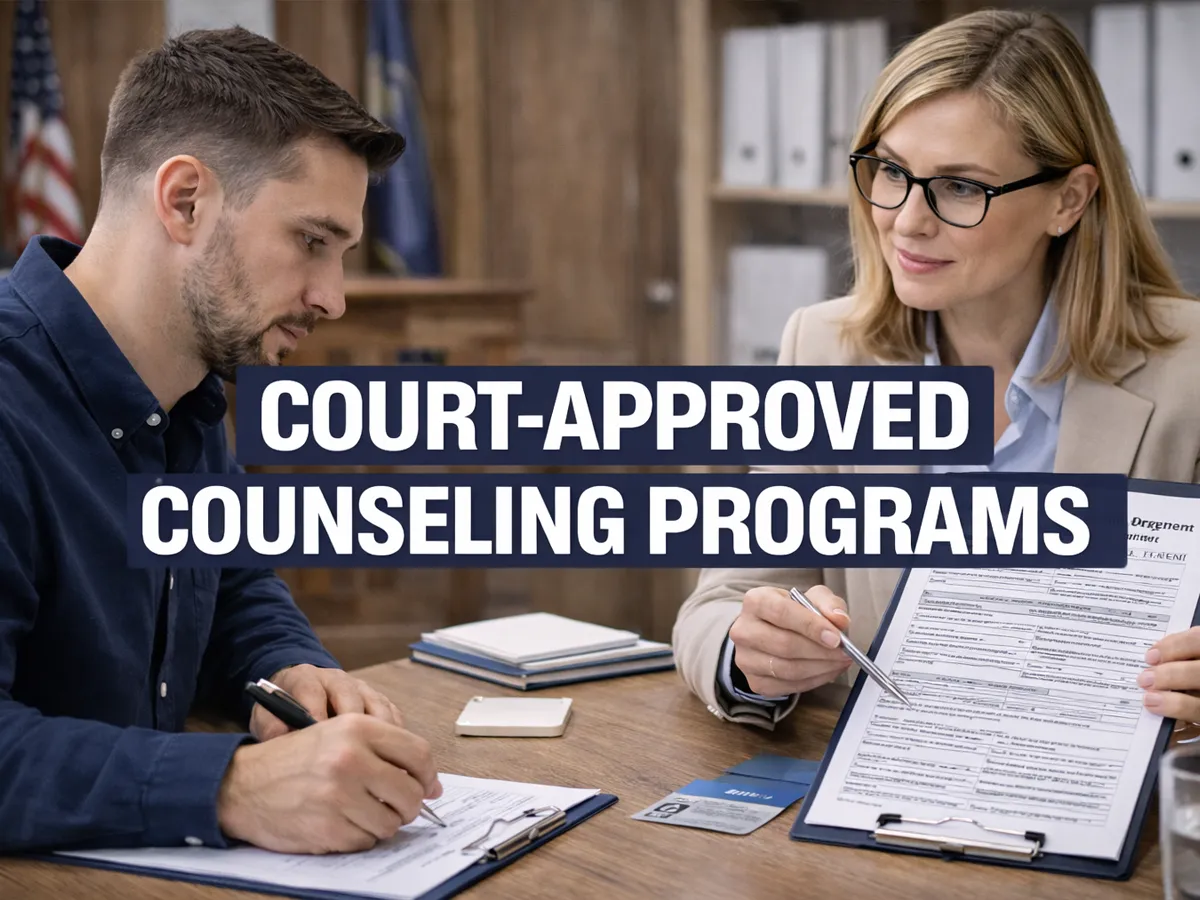
A program that is described as court-approved should still be understandable at the clinical level. That means knowing what sessions involve, how progress is reviewed, and how client confidentiality and rights are protected. In Reno, people often feel less overwhelmed when the expectations are explained clearly from the beginning.
We can explain options and coordinate referrals, and we’ll recommend medical evaluation when withdrawal or medical risk may be present.
Immediate 5 Questions About Court-Approved Counseling Programs
What makes a counseling program court-approved?
In general, it means the counseling program meets the requirements of the referring system or is accepted for the purpose it is being requested for. The clinical services may still vary, so it is important to clarify what type of counseling, documentation, and attendance verification are expected in that specific situation.
Does court-approved counseling mean the same thing as regular counseling?
Not always. The counseling process may use the same clinical methods, but court-related programs usually involve added structure, attendance tracking, and court-ordered evaluations. The treatment should remain clinically grounded while also meeting the reporting expectations that apply to the case or referral.
What kinds of issues are usually addressed in these programs?
These programs often address substance use concerns, behavior patterns, and relapse prevention. When relevant, co-occurring concerns can also be noted because they may affect engagement, stability, and how realistic the treatment plan is.
How are attendance and progress documented?
Attendance and progress are typically documented through clinical notes and progress summaries. Documentation should stay accurate, limited to what is relevant, and consistent with privacy and confidentiality standards, including 42 CFR Part 2 and HIPAA.
Can a program recommend more support or a different level of care?
Yes. If counseling shows that a person needs a different level of support, added services, or a referral, that can be noted in a clinically appropriate way. Recommendations should be based on current presentation, participation, safety considerations, and the treatment needs that are actually observed.
Why Program Clarity Matters
Court-related counseling can feel intimidating when people are unsure what counts as compliance or how referrals are handled. Clear communication helps reduce that uncertainty. It also helps the person understand that the counseling process is not just a checklist, but a structured clinical service with defined expectations and documented progress.
In Washoe County, clarity is especially important when counseling connects with outside systems, referral partners, or additional treatment providers. A well-run process explains what attendance means and when more support may be recommended so the person is not left guessing about the next step.
Supporting Treatment While Respecting Boundaries
A licensed CADC can speak with clinical authority about substance use counseling, treatment participation, progress documentation, and referral coordination. At the same time, counseling is not the same as giving legal advice. It is important to separate the clinical role from decisions that belong to the court, an attorney, or another legal authority.
Good counseling records should reflect what was discussed, what progress has been observed, and what treatment recommendations are appropriate within scope. That balance supports both accountability and privacy, especially for people in Reno who want the process handled with discretion and without unnecessary disclosure.
Local Trust and Next Step
Confidentiality remains important even when counseling is connected to a referral or compliance process. Information should be handled carefully, shared only as appropriate, and discussed clearly so people understand what is private and how discretion is protected in a Reno treatment setting.
Do not include sensitive medical or legal details in web forms.

When counseling is tied to a court referral, it helps to organize the process early. That may include confirming scheduling and clarifying whether communication with a referral source is needed. A careful, professional process helps the counseling stay focused while making documentation easier to understand for authorized parties.
- Scheduling: allow enough time for intake, paperwork review, and any required documentation steps
- What to bring: referral instructions, prior records if available, and any paperwork explaining the counseling requirement
- Referral coordination: communication with an authorized provider or referral source can be discussed when appropriate
If you need to review whether a counseling program fits your situation in Reno, you can schedule an appointment.